
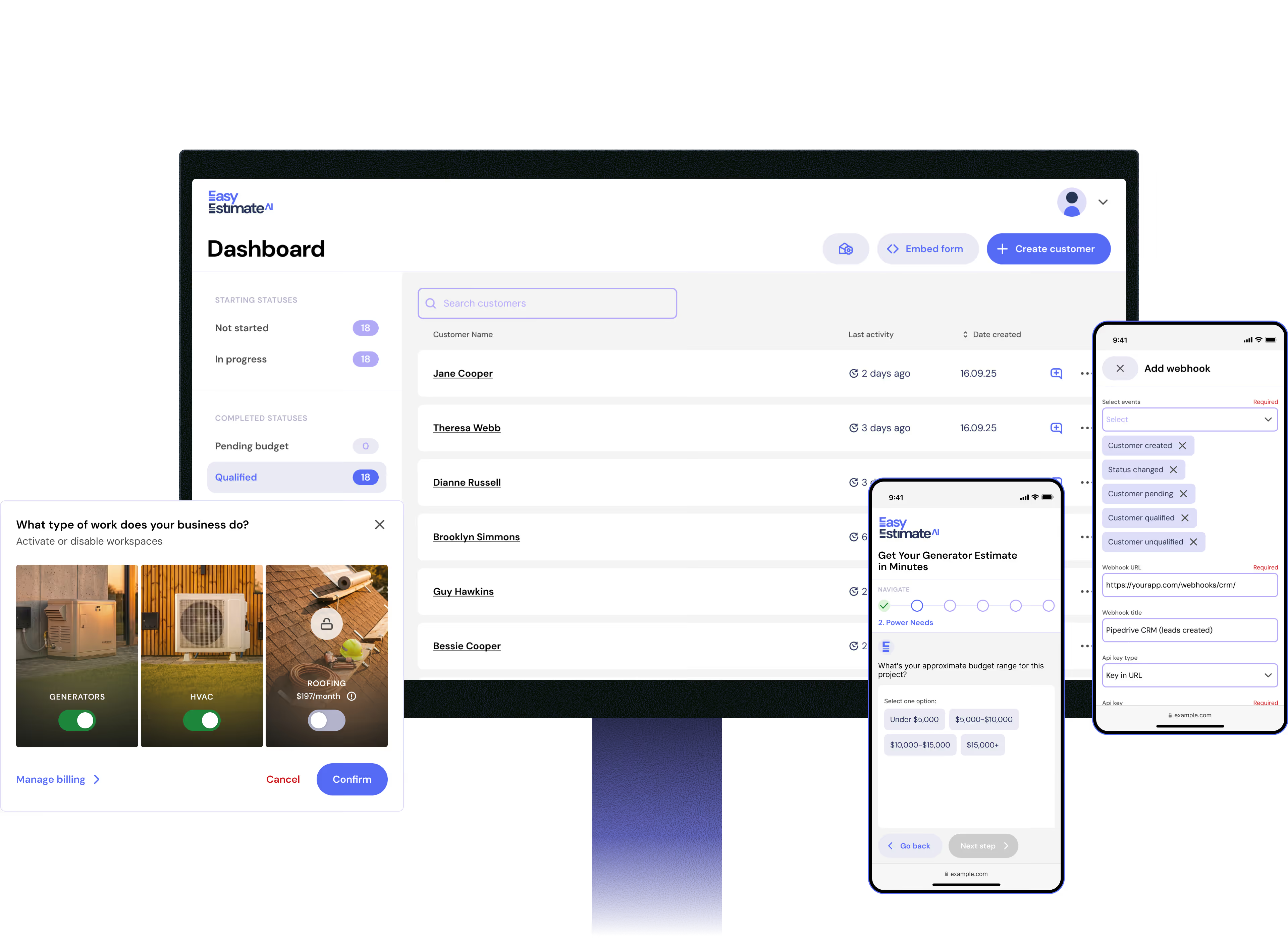

Generator installers spent hours on manual back-and-forth: gathering customer details and needs repeatedly, and putting together rough estimates by hand with no guarantee the lead was even worth pursuing.
The client also wanted to automate lead collection from installers' business websites and CRM systems, and have all active leads visible in one place.
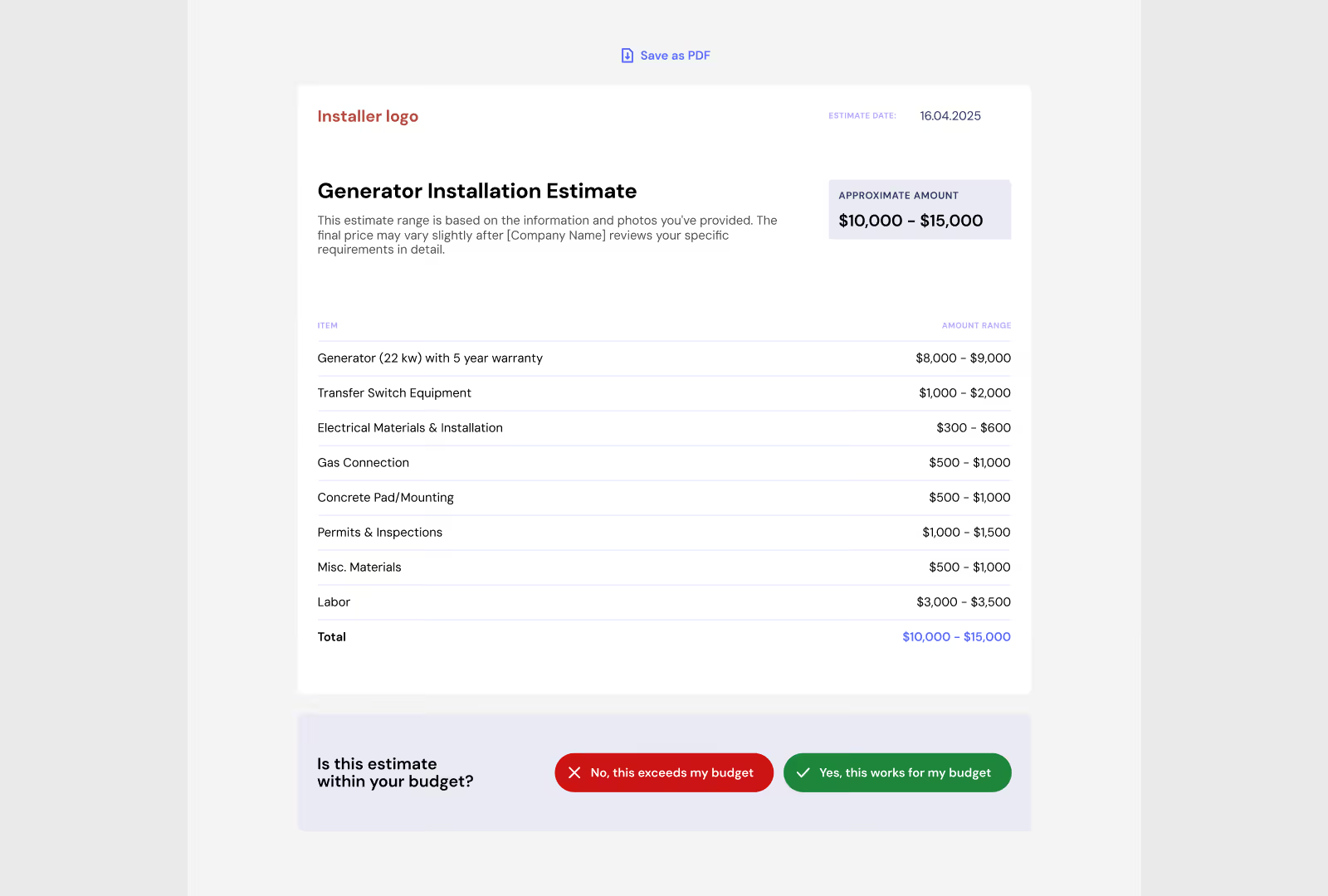
To validate the concept, the WeMakeMVP team tested AI-powered estimate generation using ChatGPT, based on a dataset collected from leads. We also gathered context from the client about installation specifics and compiled a list of questions that could impact the estimate.
The results were accurate enough to match real market prices.
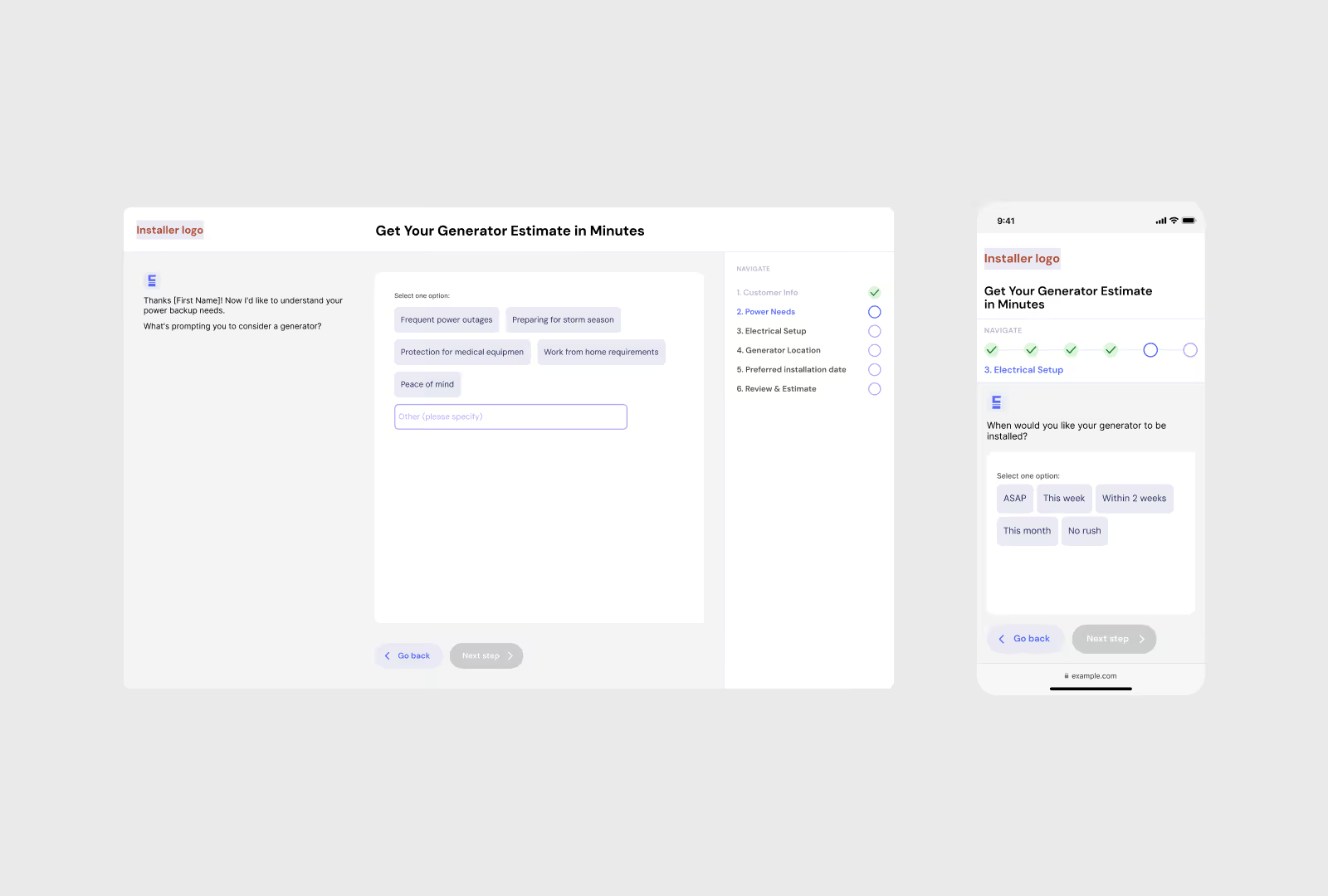
To automate lead collection, the system includes an embeddable questionnaire that installers can add to their own website.
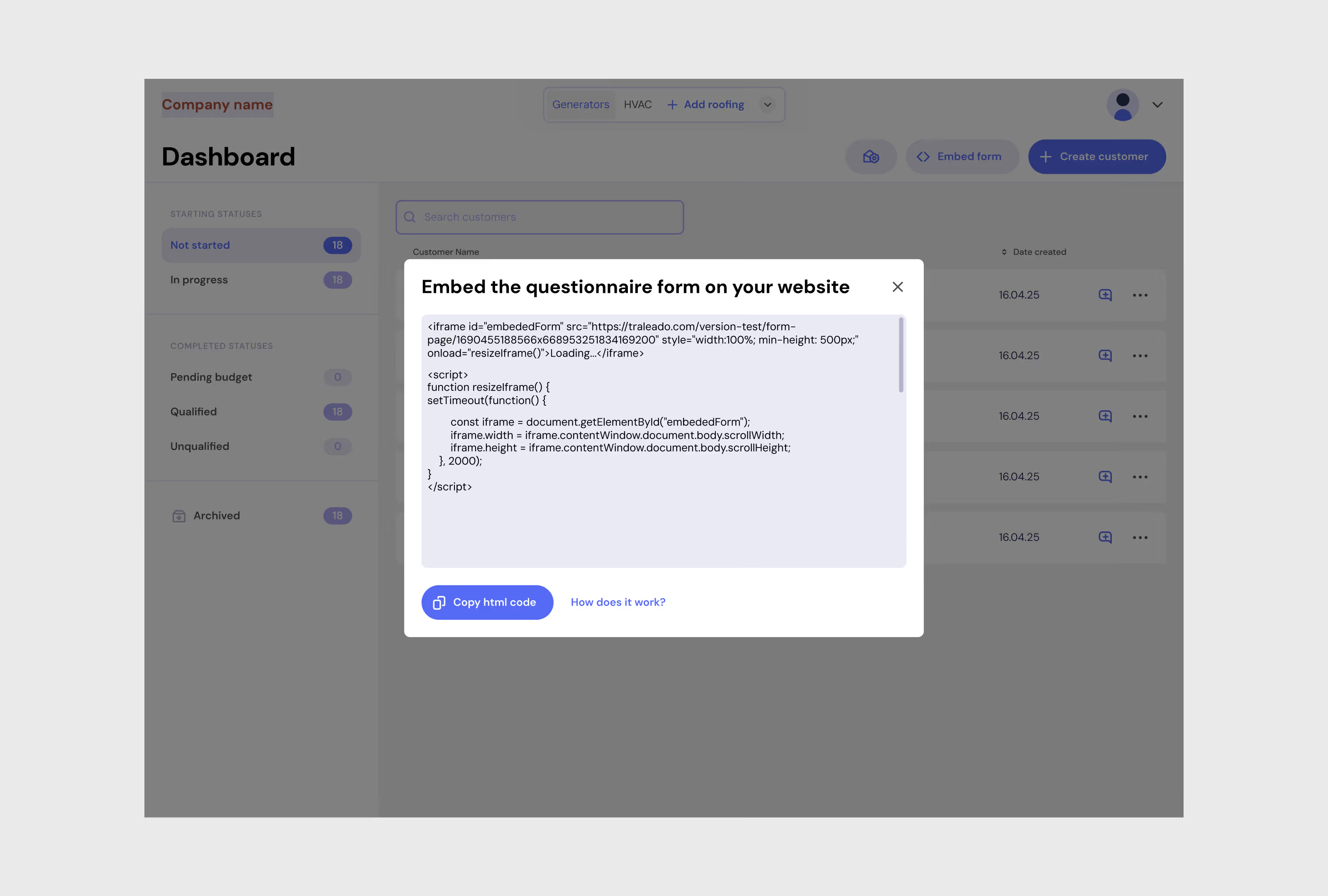
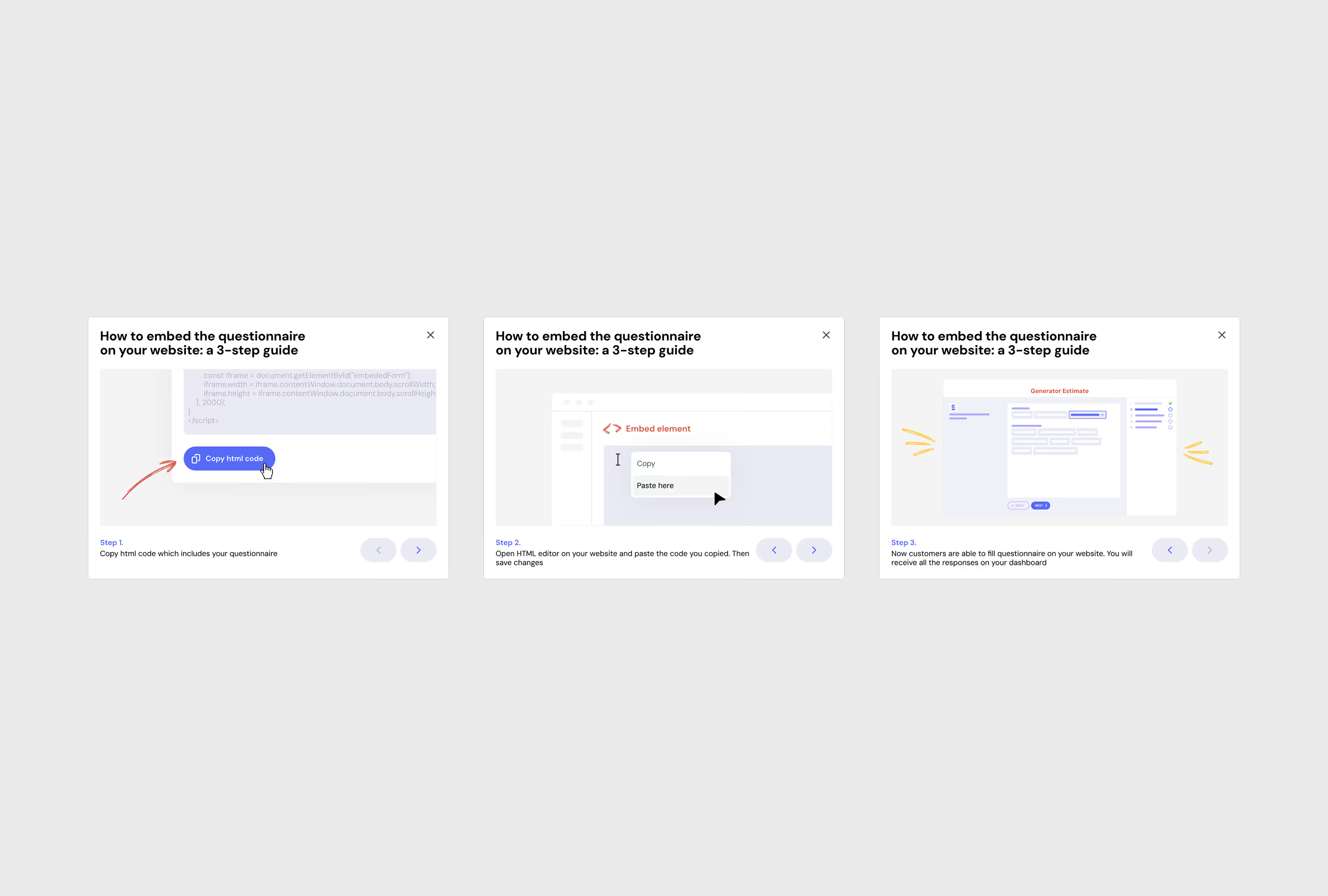
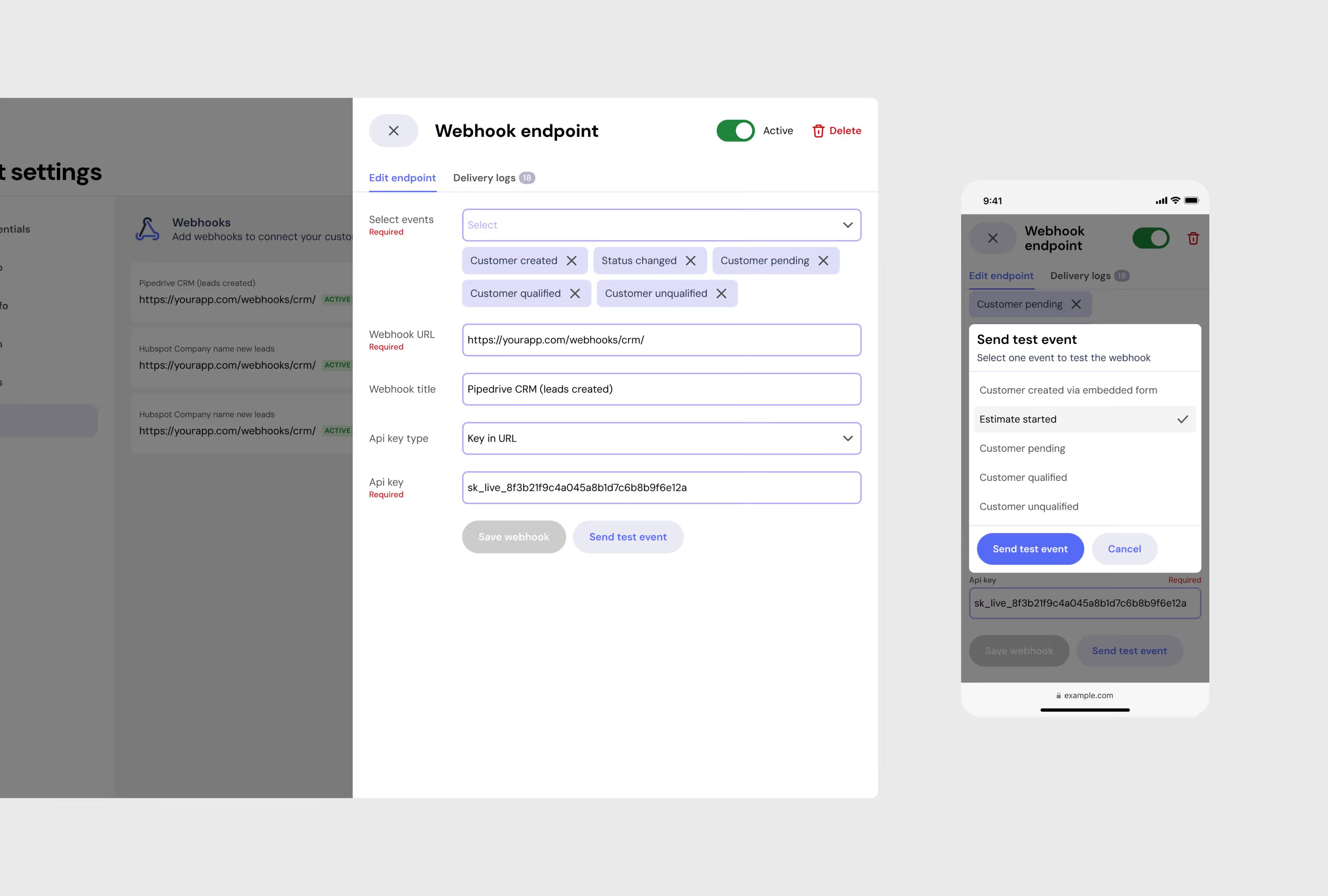
Lead information enters the system automatically via the embedded questionnaire or a connected CRM, and can also be added or imported manually.
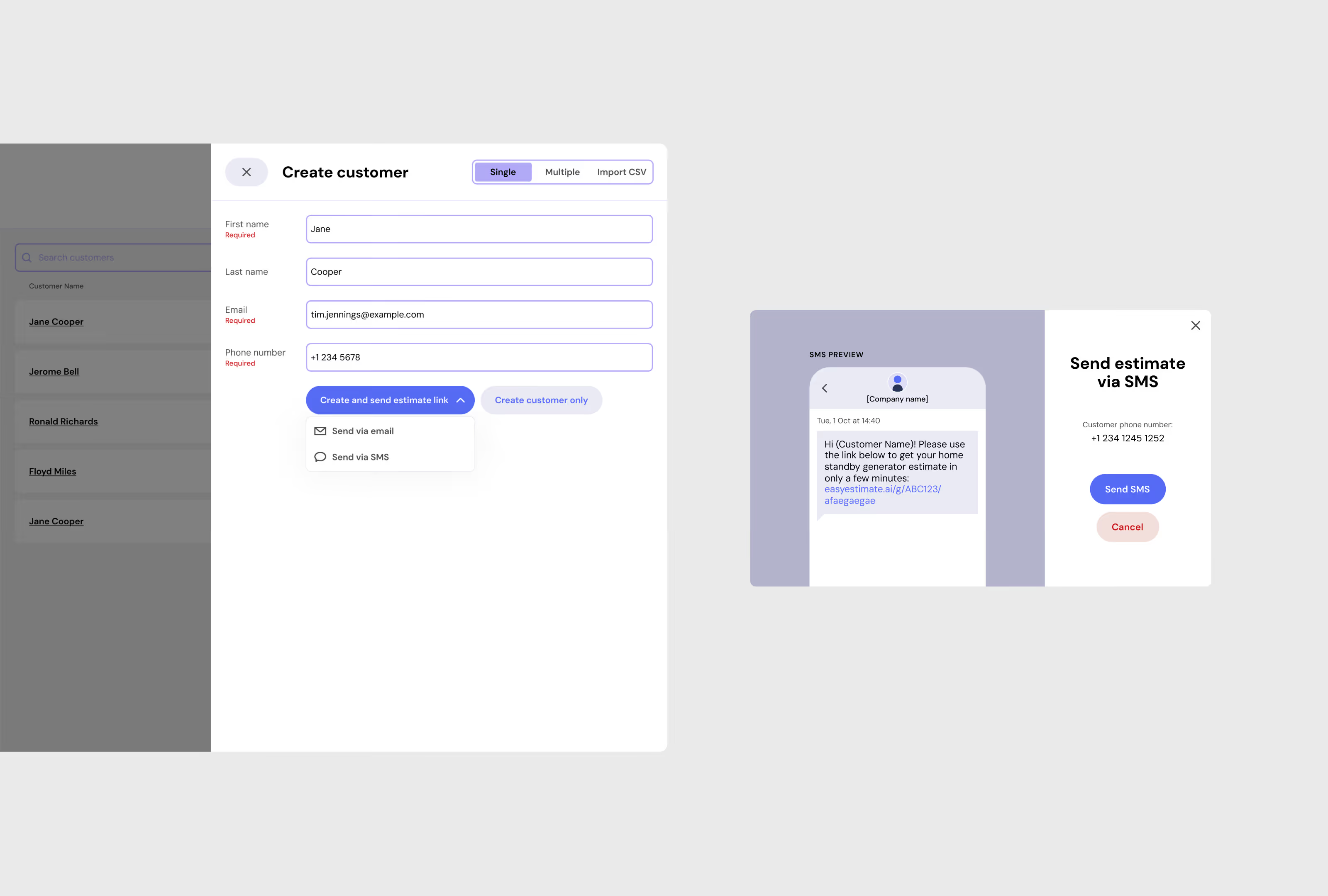
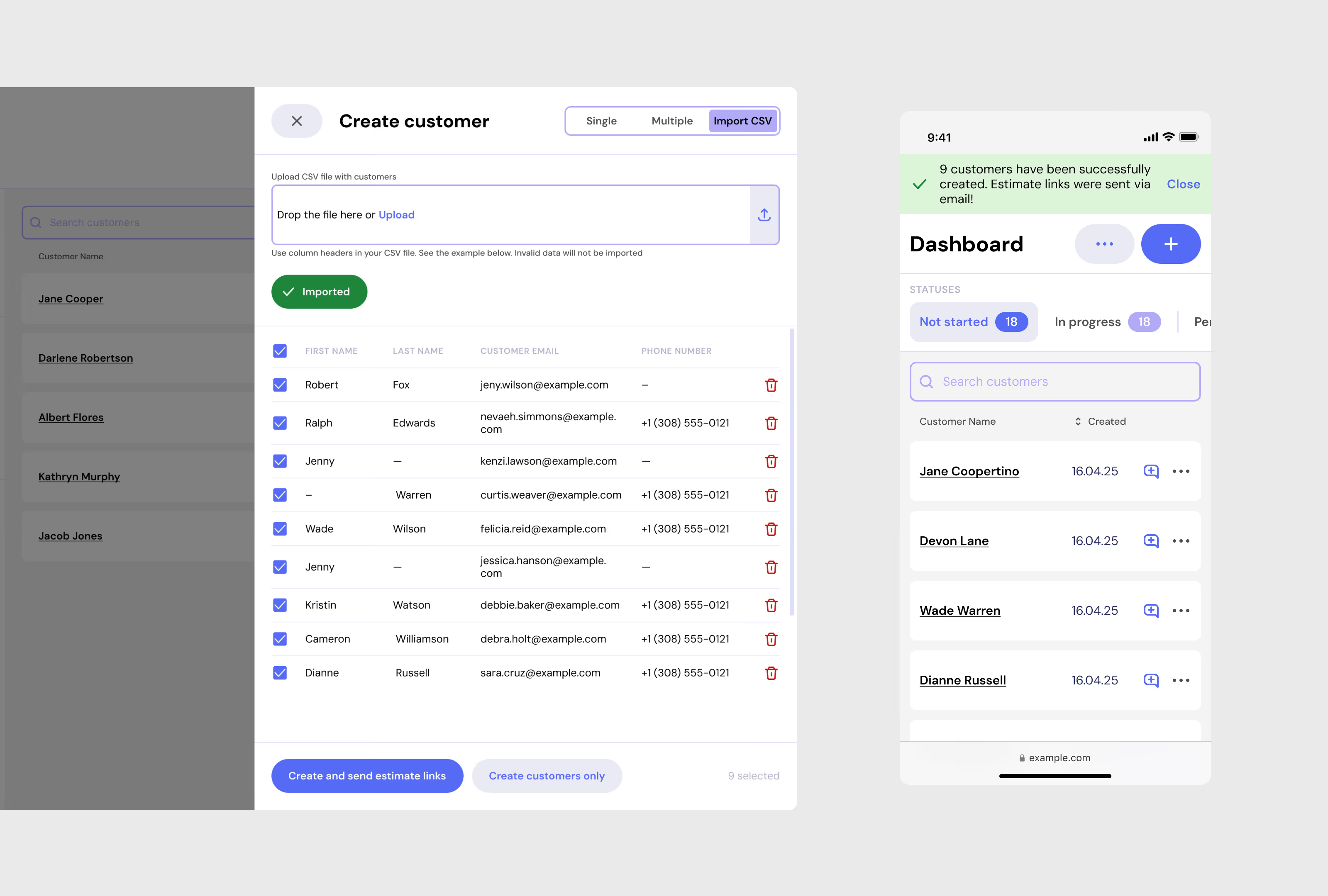
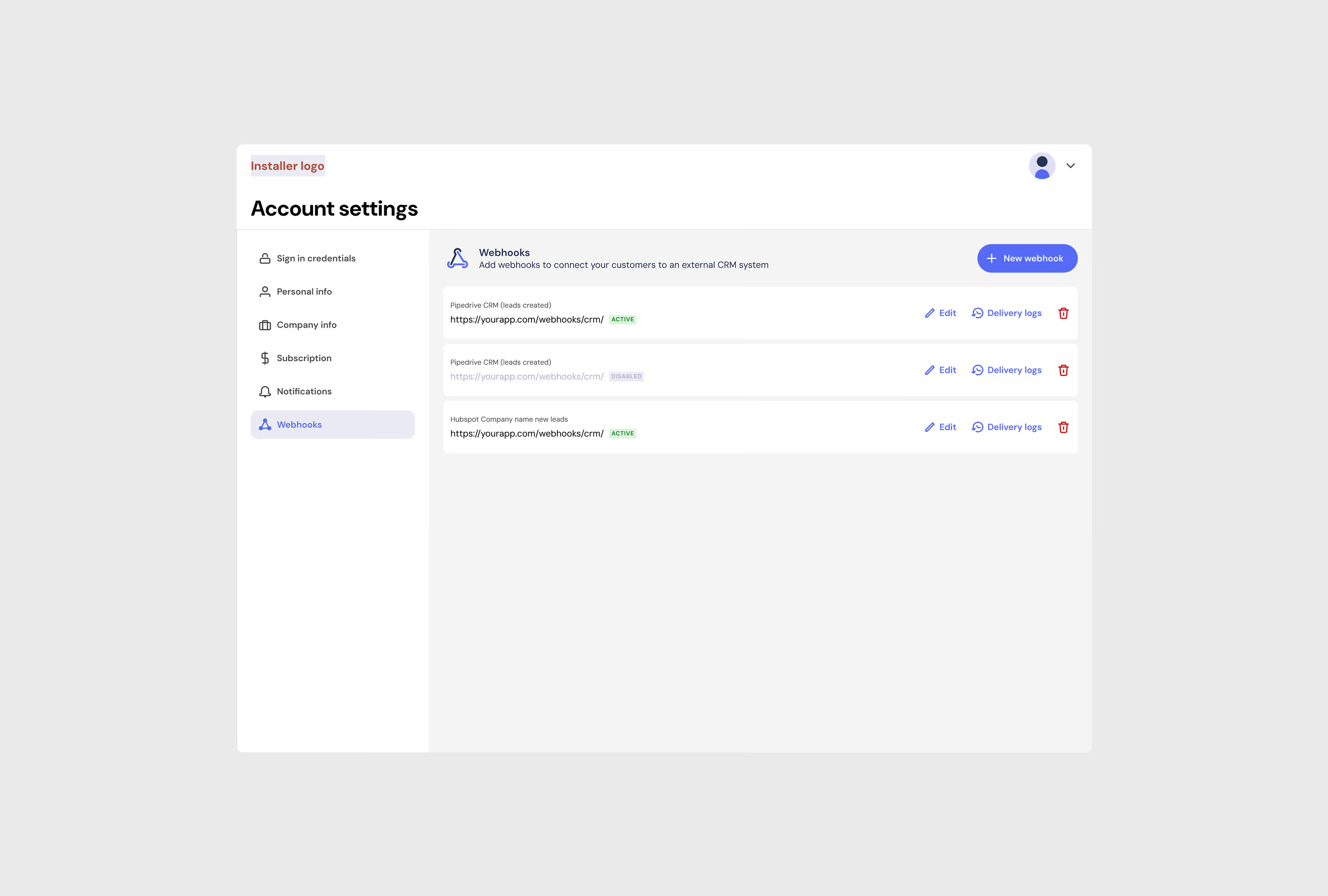
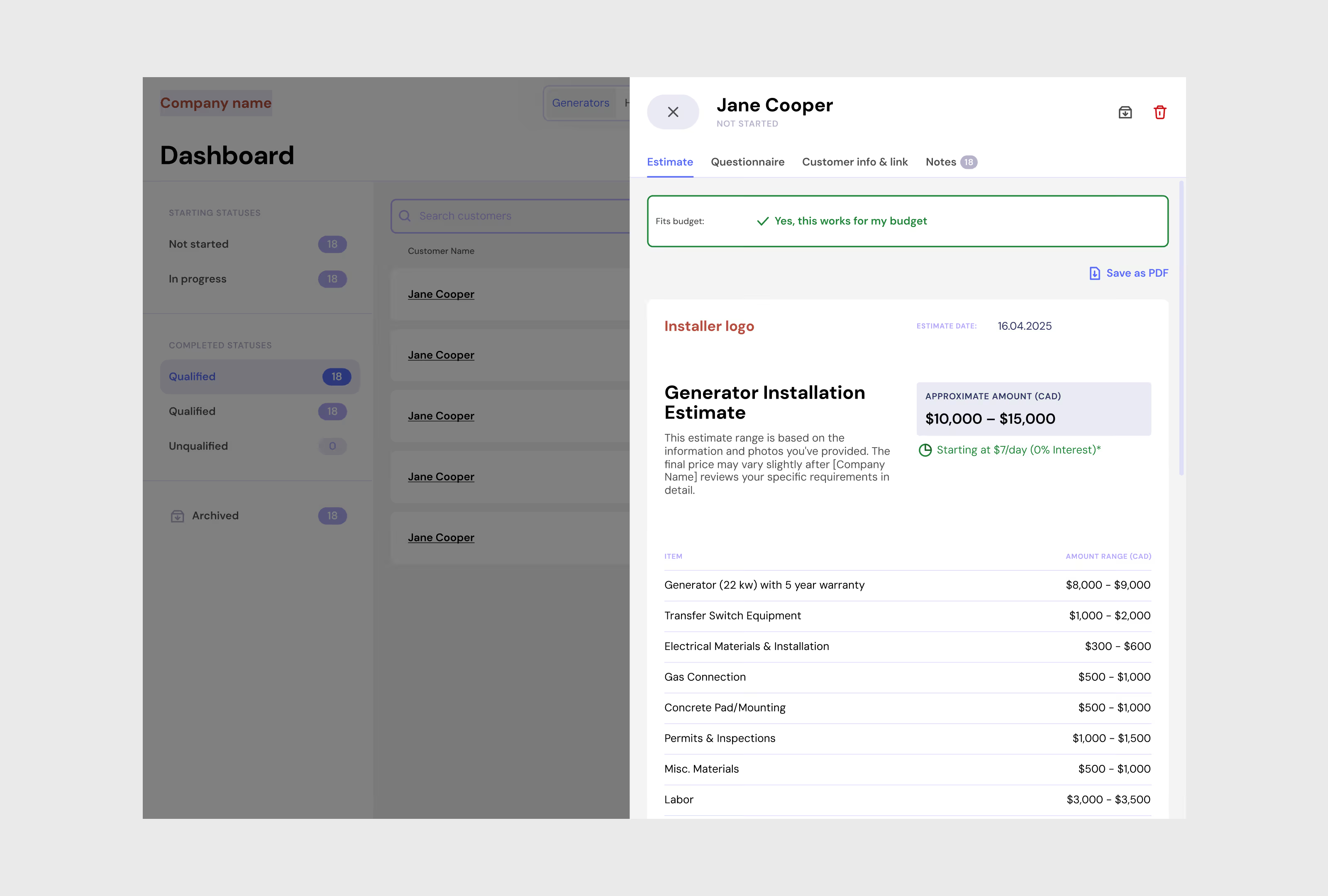
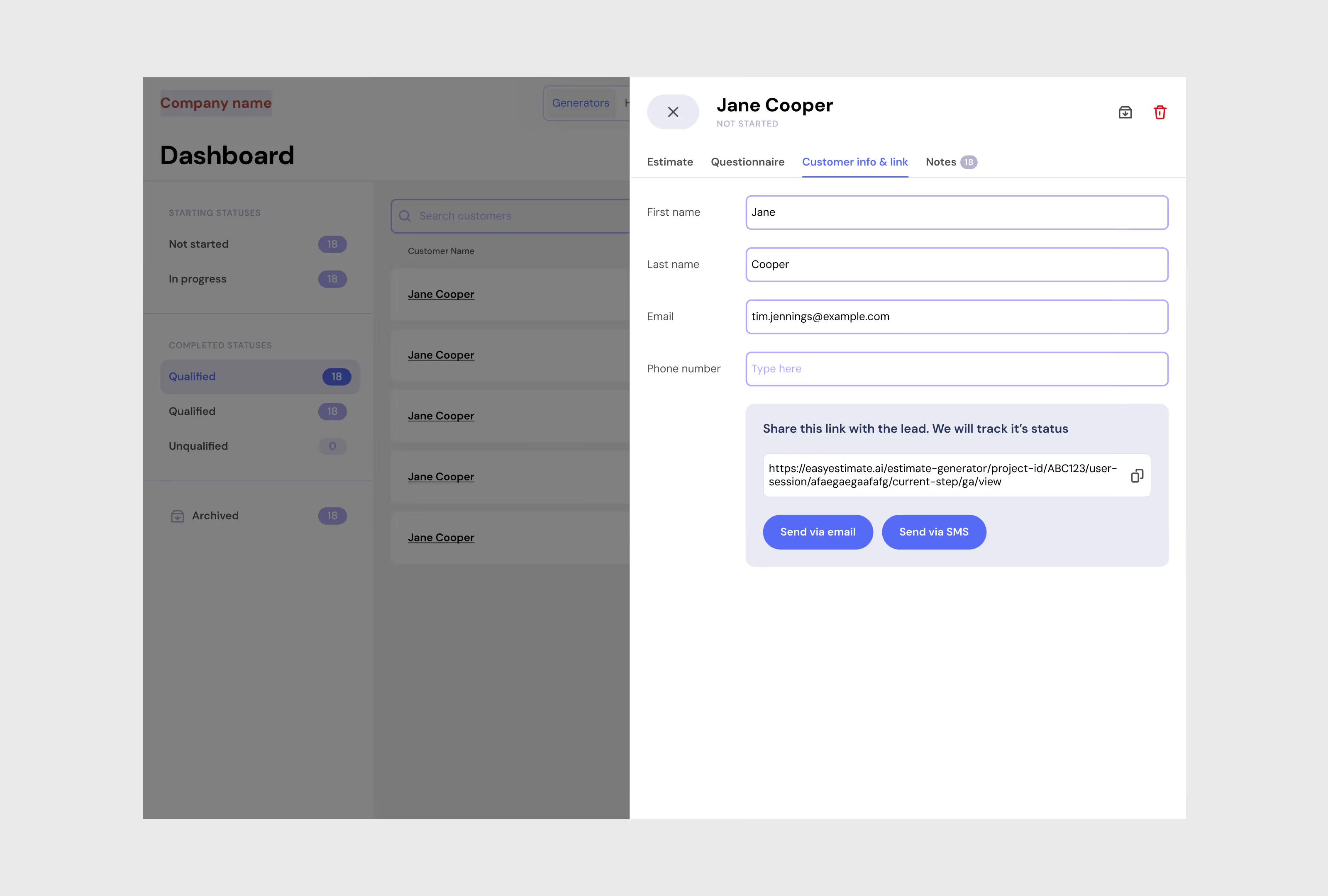
All lead records (along with their questionnaire responses) are collected and displayed on the dashboard.
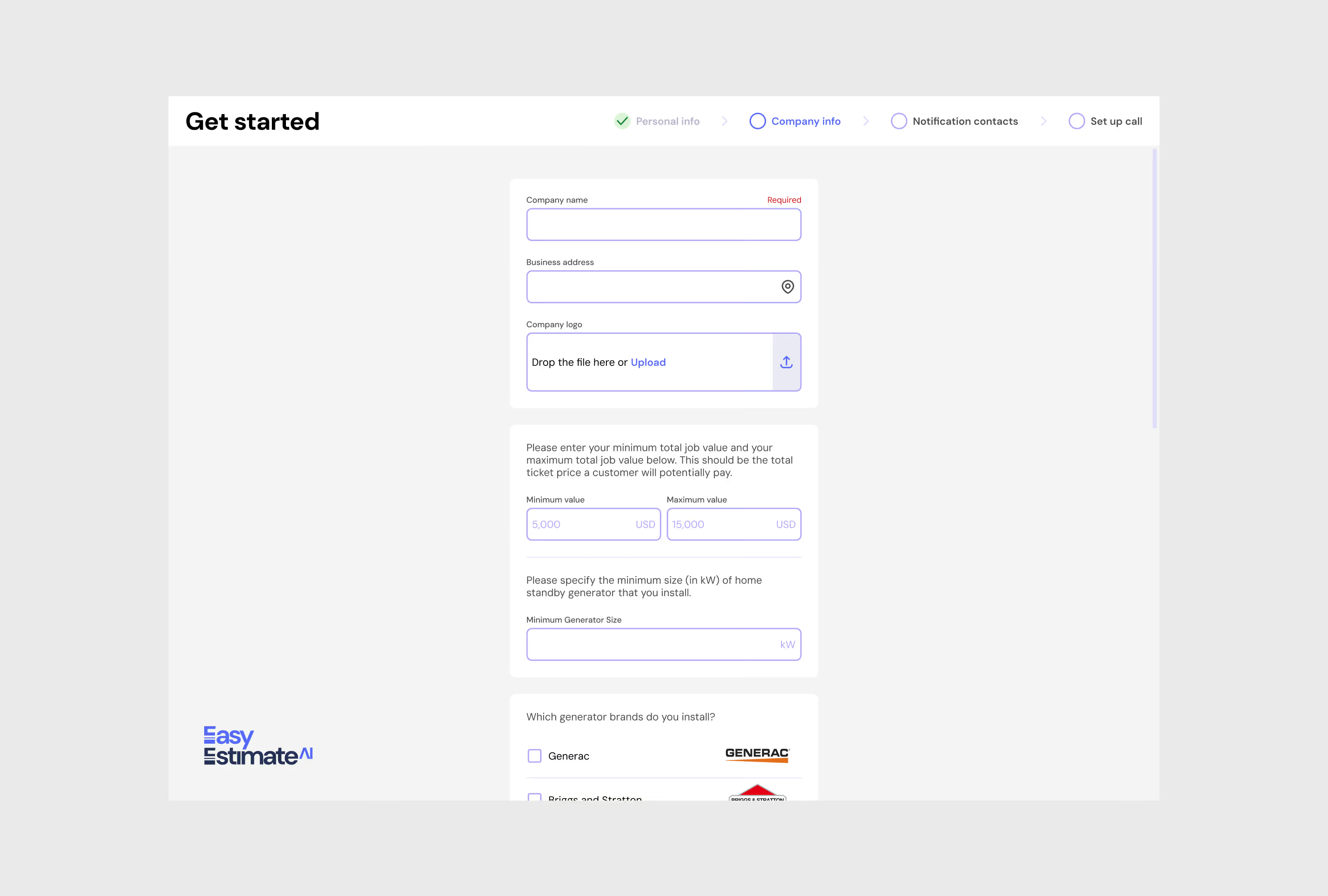
User onboarding includes 4 steps for personalizing the account: personal details, company information (name, logo, minimum and maximum project budget), brands the user works with, and additional context that influences the final estimate.
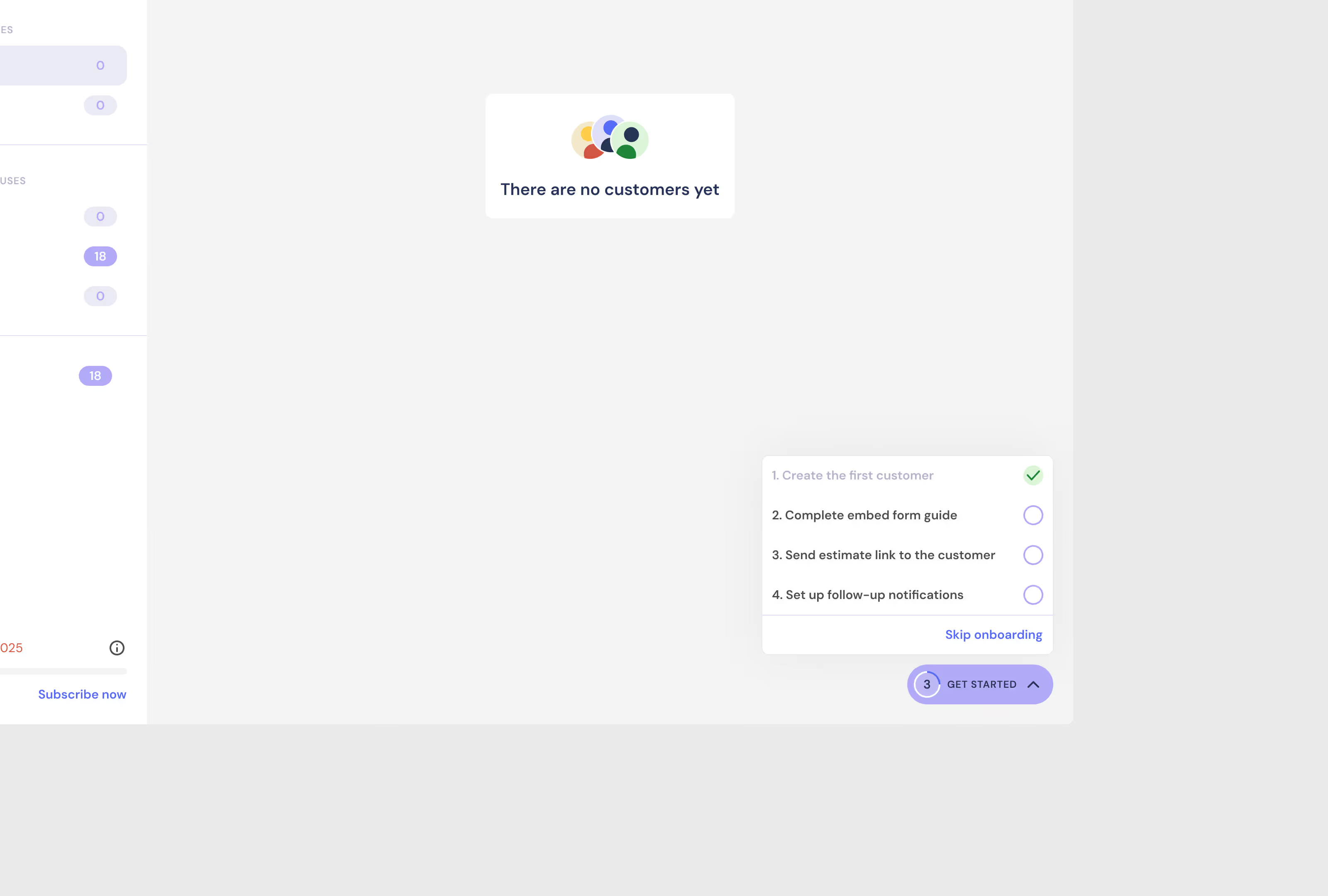
After account creation, a 4-step activation checklist was designed to guide users through the core functionality and value of the application step by step.
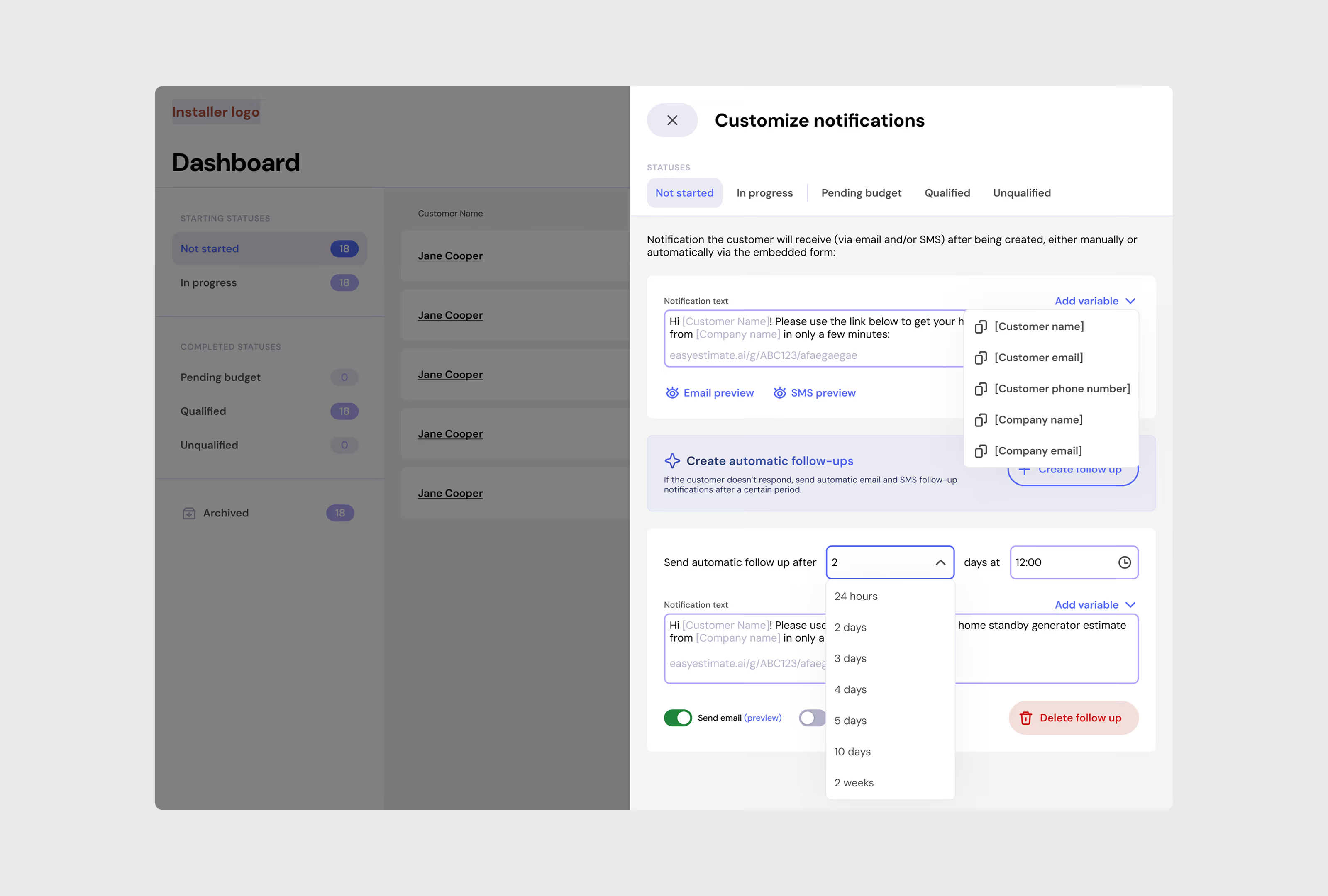
We encountered several issues directly impacting business metrics: leads often start filling out the questionnaire but don't complete it, or they complete it but don't answer the budget qualification question.
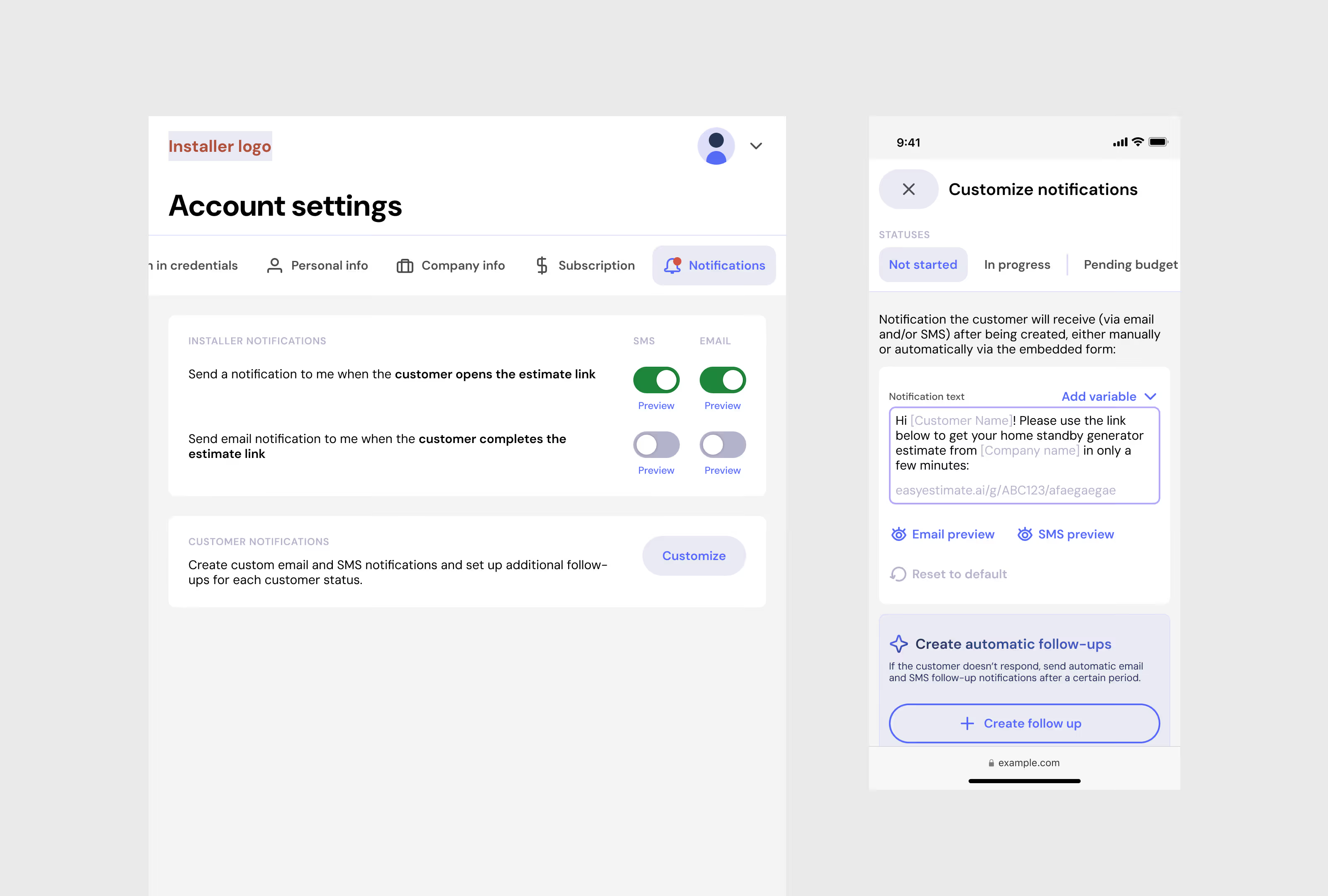
To address this, customizable automated follow-ups were introduced. The system reminds leads to finish the flow if they drop off. Leads are often distracted and lose track of the questionnaire — automated follow-ups help them resume their progress, while installers get the data they need to qualify the lead.
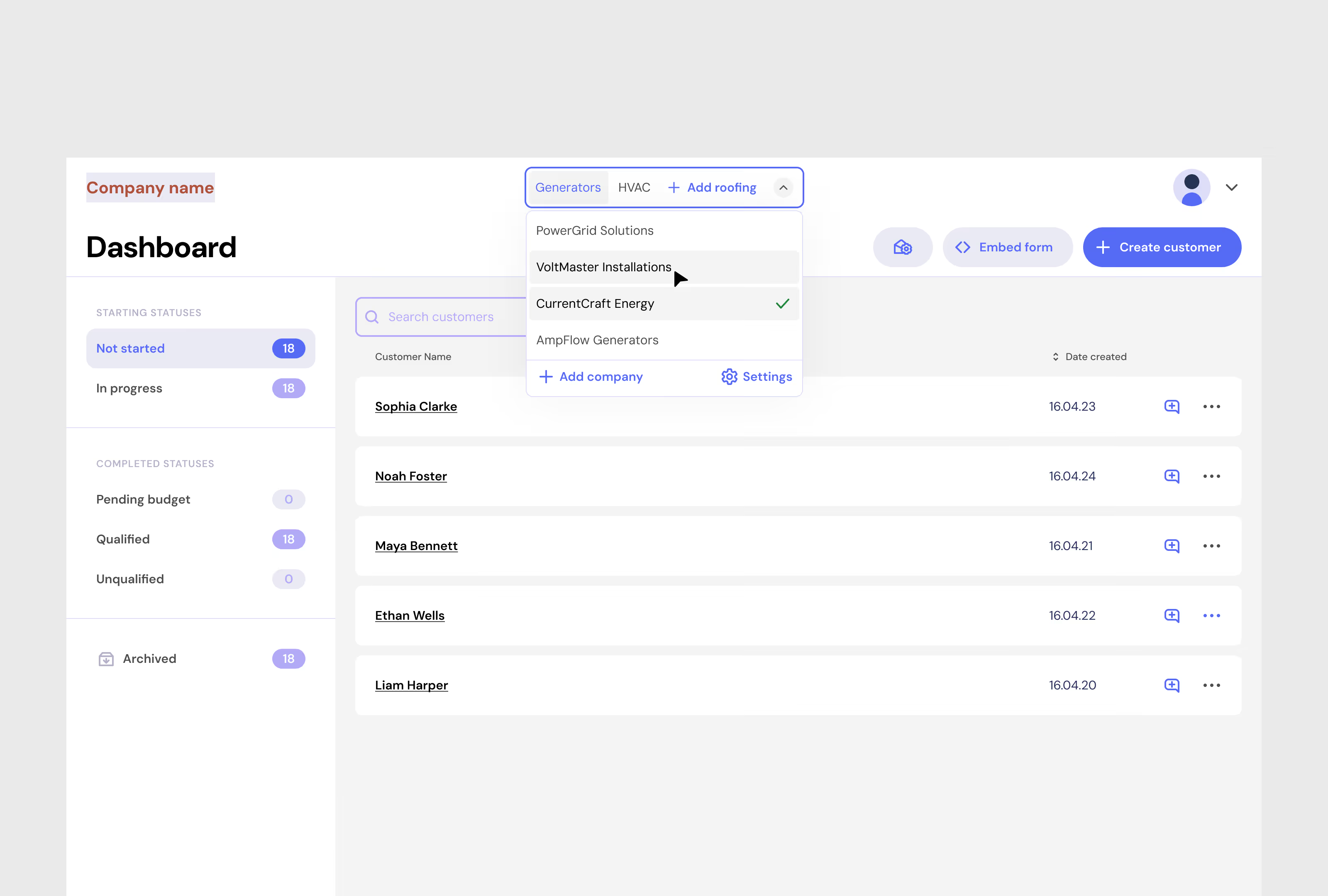
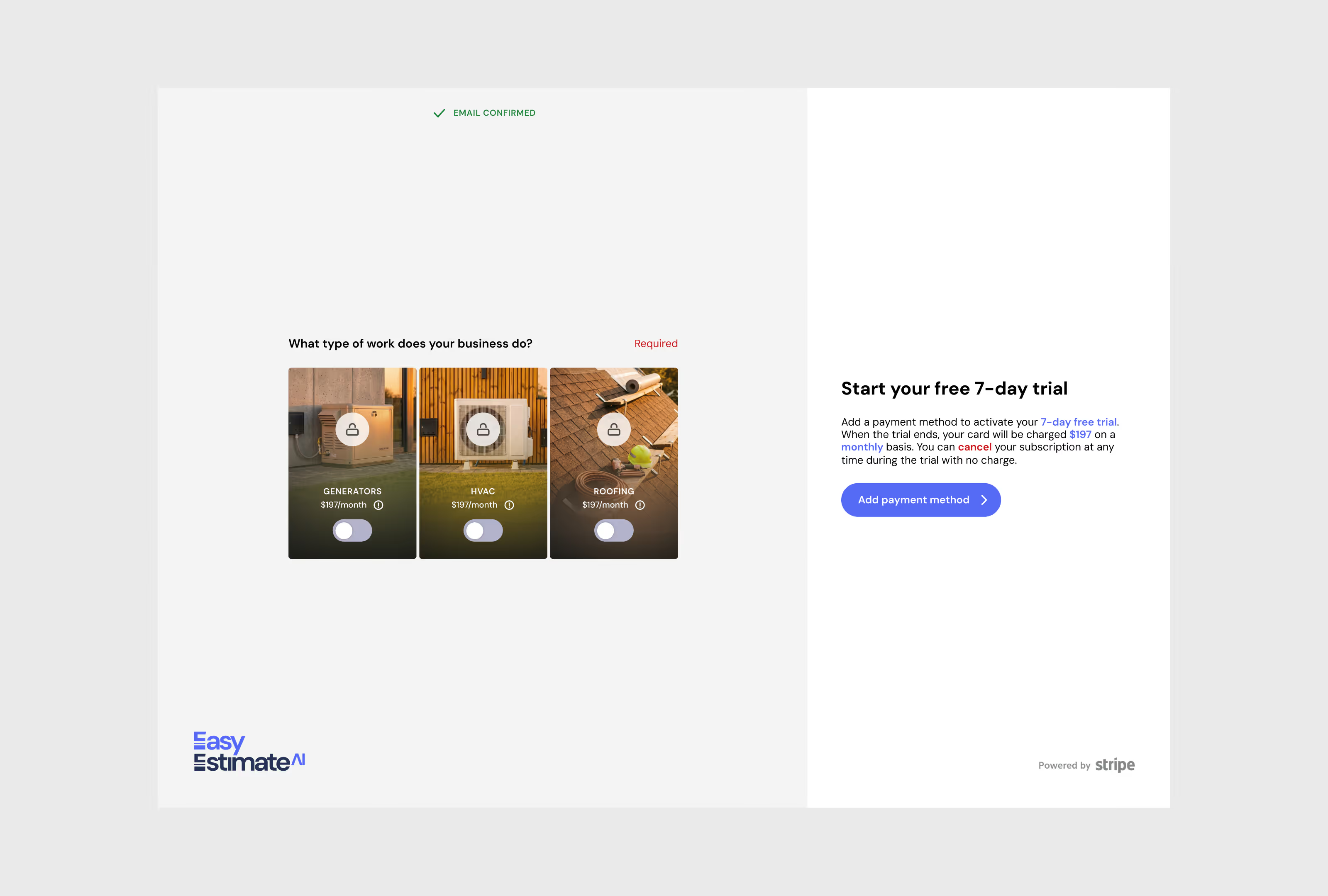
The product was initially focused on generator installation services, but demand emerged for additional services: AC installation and roof repair. To implement this, the prompts (and questionnaires) needed to be configured for these services and the UI updated accordingly.
The dashboard was also scaled to support multiple companies, each with their own set of services.
Beyond the features listed above, various additional functionality was introduced — including upselling, archiving, statuses, internal notes, and more. A research phase was also conducted, resulting in a proposed strategy for new features as part of the product's ongoing growth and scaling roadmap.
.png)

.png)